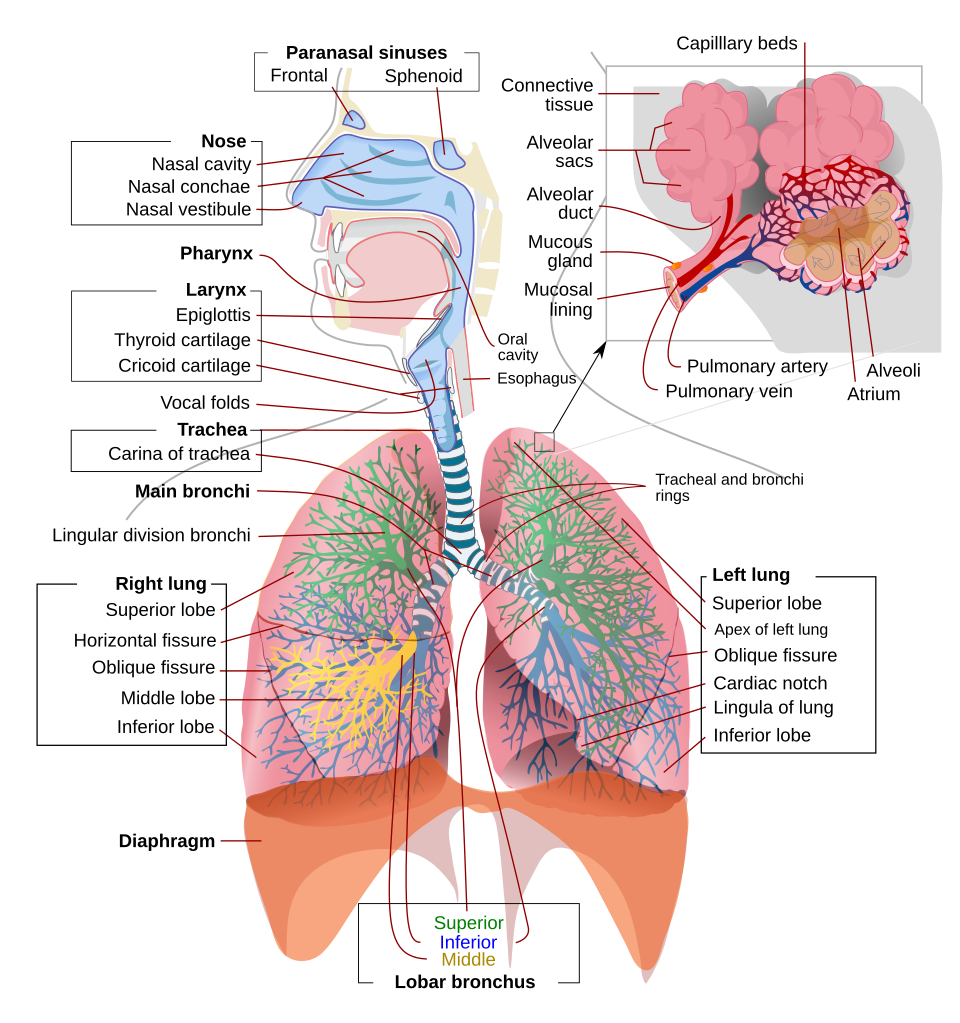
The respiratory tract is the air passage system. It is divided into the Upper (nose, mouth, pharynx and larynx) and Lower (trachea, bronchi, lungs) sections. The system is responsible for bringing air in, warming/filtering it, and facilitating gas exchange (oxygen in, carbon dioxide out) with the blood. It involves structures like the nasal passages, voice box, windpipe, and tiny air sacs called alveoli where oxygen enters the bloodstream.
Common ailments include:
- 1. Infections
- 2. COPD (Asthma, Chronic bronchitis, Emphysema
- 3. Allergies
- 4. Miscellaneous (Tumor, Trauma, Autoimmune etc)
From last decades, plant-derivatives have been studied and as traditional medicine for protection of lungs from severe disease and of major concern for pharmaceutical industries. Most of the plant-derived metabolites have been explored for their medicinal values especially for lung dieases are mentioned in this review paper. It is thought to be most top-sale and acceptable natural medicinal extracts researched for lung diseases are associated with Psoralea corylifolia, Aesculus hippocastanum, Nigella sativa, Herba Paederiae, Scutellaria baicalensis,Calophyllum brasi liense,Tripterygium wilfordii,Dendrobium pulchellum,Curcuma longa, Fig. 7. Mominur Rahmana 2022
Chest infections
Causes: Viral, Bacterial, Fungal
Symptoms: Cough, congestion, difficulty breathing, running nose, sore throat
When to See a Doctor
When experiencing severe or worsening symptoms, high fever, chest pain, or difficulty breathing, it’s important to seek medical attention.
While home remedies and over-the-counter medications can effectively reduce symptoms, a chest infection can sometimes signify a more serious underlying condition, such as pneumonia, bronchitis, or asthma.
Best Chest Infections Home Remedies
- Stay hydrated
- Try the classic lemon and honey solution
- Drink herbal tea
- Use natural essential oils
- Eat spicy foods
- Drain mucus with postural drainage
- Avoid inflammatory foods
- Use chest percussion
- Take the essential vitamins for lung health
- Utilize humidity and steam inhalation
- Take over-the-counter medications
1. Stay Hydrated
When you have a chest infection, your body produces more mucus as a natural defense mechanism to trap and remove any harmful substances in the respiratory tract. However, this also causes chest congestion and difficulty breathing. By drinking plenty of fluids, you can help to keep the mucus thin and fluid, making it easier to cough up and clear from the respiratory tract. This, in turn, can help to reduce chest congestion and improve breathing, as well as support the overall functioning of the immune system. Additionally, hydration can also help to relieve a sore throat and reduce other symptoms associated with a chest infection.
2. Try the Classic Lemon and Honey Solution
The classic lemon and honey solution has been a trusted home remedy for generations, offering a simple and effective way to soothe a sore throat and reduce symptoms of a chest infection. This combination is believed to have antibacterial and antiviral properties, making it an excellent choice for boosting the immune system and fighting off infections. Lemon is rich in Vitamin C, a powerful antioxidant that can help to strengthen the immune system and promote healing. Honey is a natural antibacterial and anti-inflammatory agent that can help to soothe a sore throat and reduce symptoms of congestion.
To prepare the lemon and honey solution, simply mix a teaspoon of honey with the juice of half a lemon in a cup of warm water. Sip the mixture slowly, allowing the honey and lemon to coat the throat and provide soothing relief.
3. Drink Herbal Tea
Herbal teas have been used for centuries as a natural remedy for chest infections, offering a warm and soothing way to reduce symptoms and support the body’s natural healing processes. Some of the most popular herbal teas for treating chest infections include ginger tea, eucalyptus tea, and green tea.
- Ginger is known for its antibacterial and anti-inflammatory properties, making it an excellent choice for reducing symptoms of a chest infection.
- Eucalyptus, on the other hand, is believed to have decongestant properties that can help to clear the airways and improve breathing.
- Green tea is packed with polyphenol compounds known as catechins, which have antimicrobial properties that can help to fight off infections and reduce symptoms of cough,
4. Use Natural Essential Oils
Essential oils have been used for centuries as a natural remedy for various health conditions. The powerful aromatic compounds in essential oils can help to open up the airways, reduce congestion, and improve breathing. Some examples of the best essential oils for lung health include:
- Black seed oil
- Eucalyptus oil
- Bergamot oil
- Ginger oil
- Mullein oil
- Peppermint oil
- Tea tree oil
- Rosemary oil
- Lavender oil
- Nettle leaf oil
Essential oils can be used topically, inhaled through a diffuser, or added to bathwater.
Our Top Pick
5. Eat Spicy Foods
Eating spicy foods may be just what the doctor ordered when it comes to treating a chest infection. The heat from spicy foods can help to clear congested airways and relieve symptoms of cough, congestion, and difficulty breathing. Spicy foods contain capsaicin, a compound that can help to reduce mucus production and improve breathing by clearing the airways.
Additionally, spicy foods can also help to boost the immune system, fight off infections, and reduce inflammation in the body, making them an excellent choice for supporting overall health and well-being. Whether you’re a fan of hot peppers, spicy curries, or fiery salsa, incorporating spicy foods into your diet can be a fun and delicious way to reduce symptoms of a chest infection and clear sinuses for easier breathing.
6. Drain Mucus With Postural Drainage
Postural drainage is a simple and effective technique that helps clear mucus from the lungs. This technique involves changing your position to allow gravity to help move mucus from the lungs and into the airways, where it can be coughed up and cleared more easily. For example, lying on your back with your head down can help to clear mucus from the upper lungs, while lying on your side with your head down can help to clear mucus from the lower lungs.
This technique is best performed under the medical supervision of a doctor or respiratory therapist, so please use caution, especially if you have an underlying condition.
7. Avoid Inflammatory Foods
Eating a healthy diet and avoidinfg inflammatory foods is crucial for supporting the body’s natural healing processes and reducing symptoms of a chest infection. When you have a chest infection, your body is working hard to fight off the infection and repair any damage, and it needs the right nutrients to do so. A diet that is rich in nutrients and low in inflammatory foods can help to boost the immune system, reduce inflammation, and promote healing.
Some of the best foods to eat when you have a chest infection include: Leafy greens, lean protein and high-antioxidant fruits and vegetables. Foods to avoid include processed foods, sugar, and unhealthy fats, as these can increase inflammation in the body and make it harder for the immune system to do its job.
8. Use Chest Percussion
Chest percussion is an airway clearance technique that applies mechanical energy to the chest wall to help loosen up secretions for easier clearance. This is often performed by respiratory therapists on patients with conditions such as cystic fibrosis and bronmchiectasis. However, it’s also a powerful method that you can try at home to clear mucus caused by a chest infection. The technique involves cupping your hands and striking the chest wall with rhythmic percussions. Perform a circular pattern back and forth over a targetted area for 3–5 minutes. These vibration and percussions loosen mucus from the airway walls so that they’re easier to cough up for removal. This helps keep your airways clear, making breathing much easier.
9. Take the Essential Vitamins for Lung Health
Vitamins play a crucial role in maintaining good health and supporting the immune system, and when you’re sick with a chest infection, getting enough of the right vitamins can make a big difference. Some examples include the following:
- Vitamin C
- Zinc
- Vitamin A
- Beta-carotene
- Vitamin D
- Resveratrol
- Vitamin E
- Selenium
- Omega-3
- Magnesium
For instance, vitamin C and zinc help boost the immune system, keeping harmful infections from reaching the lungs. Vitamins A and D play a role in lung development, while beta-carotene and selenium can help prevent lung cancer. Incorporating these vitamins into your diet through foods or supplements can help boost lung function and ward off lung-related illnesses.
10. Utilize Humidity and Steam Inhalation
Using humidity and steam inhalation can be a highly effective way to treat a chest infection, offering fast and soothing relief for symptoms such as cough, congestion, and shortness of breath. The warmth and moisture from the steam can help to break up mucus and clear congested airways, making it easier to breathe. Humidity can also help to soothe a sore throat and reduce symptoms of congestion.
Add a few drops of your favorite essential oil to maximize airway clearance. Not only will you feel the refreshing, cleansing effects on your lungs, but the aromas can also help calm your mind, making steam therapy a great addition to your wellness routine.