What is infertility?
Infertility is a disease of the male or female reproductive system defined by the failure to achieve a pregnancy after 12 months or more of regular unprotected sexual intercourse. WHO
The Incidence of Infertility
Worldwide: 70 million infertile people, affecting approximately 15% (almost 1 in 6) of people in their reproductive years.
Sub Saharan Africa: Up to 30% (1 in 3) of women aged 25-49 years suffer from secondary infertility, the inability to conceive after an initial pregnancy.
Understanding the Problem
The Process of Conception starts in the brain. The hypothalamus and pituitary gland secrete hormones that stimulate the function of the reproductive organs. This is regulated through a negative feedback system, constantly adjusting the system to meet the hormonal requirements needed at different circumstances.
The Stages of Conception
- Gametogenesis; The production / ripening of the gametes; eggs and sperm.
- Releasing of the eggs or sperm; ovulation & ejaculation resp
- Fertilization of the egg by a single sperm cell
- Implantation of the embryo in the womb.
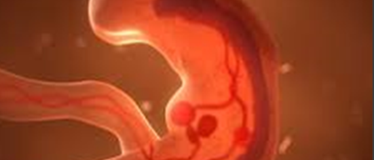

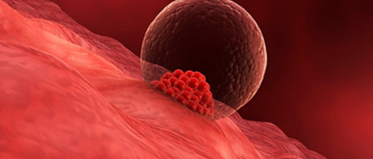
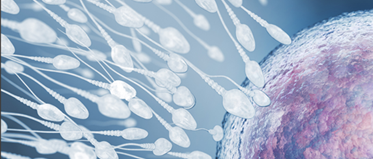
A woman releases only one egg every month. After it breaks free from the ovary, the egg cell is caught by the fimbriae (the brush like end of the fallopian tube) where hair-like cells transport it down towards the womb. The testis of a man continuously produces sperm cells. In every ejaculate he releases millions of sperm cells. When sperm are laid in the vagina they actively swim up into the cervical canal, up into the womb and on into the fallopian tubes. Only one fast fit sperm cell will be able to penetrate the egg. Still in the fallopian tube, the male and female cell cores fuse and fertilization is fact, forming a unique human genome. The fertilized egg divides in 2, 4, 8 cells etc, at the same time slowly descents to the womb. After about one week the embryo, by then some 100 cells, will have reached the womb and implants.
What can Cause infertility?
The reproductive hormonal balance is influenced by many factors and can easily be disturbed. In the hierarchy of body functions, reproduction ranks low. In case of any major stress (physical or emotional), pregnancy may be contra-indicated and other, more vital functions will be given priority. Anatomical abnormalities can disrupt the transport of gametes or interfere with implantation. Conditions in the womb or the vascular system may disturb development & grows of the embryo.
Causes of Male Infertility
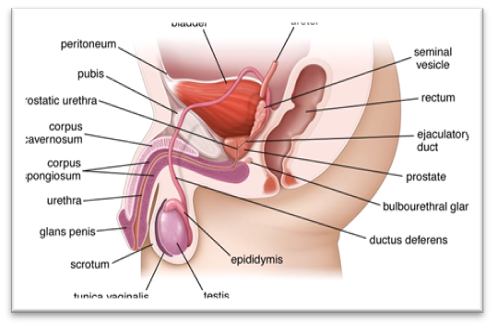
Sperm Production:
- Hormonal: Hyperlipidaemia, DM, etc
- Chemical: Drugs, Toxics
- Congenital: Chromosomal abnormalities
- Anatomical: Varicocele, Trauma, Infections
Transportation of Sperm: Prostate enlargement, Infections (STD’s, TB)
Ejaculation: Hormonal, Anatomical, Vascular or Nerve Damage, Intoxications or Stress!
Causes of Female Infertility
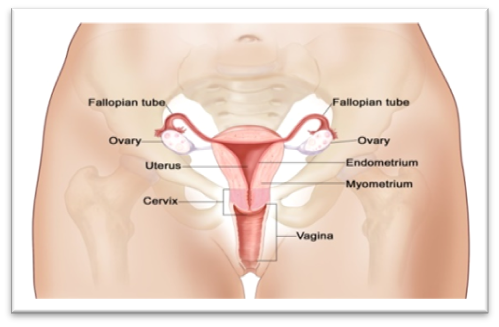
Ovulation: PCOS, POF, Hyperprolactinaemia, Thyroid, Hyperlipidaemia, Obesity, Anorexia, Stress!
Fallopian Tube Blockage: Infections! STD’s, FGM, Unsafe Abortions, Scar Tissue (Trauma / Surgery), Endometriosis
Structural Abnormalities of the Womb: Fibroid, Congenital Malformations
Miscellaneous: Vaginal Douches / Tobacco
Diagnosis of Infertility
It is important to first explore all possible underlying causes of infertility. Both partners should be involved in a systematic work up. This includes:
- Extensive History taking (general, reproductive, sexual)
- Physical exam
- Lab work (semen analysis, screening for infections, hormonal status)
- Imaging (ultrasound, Xray)
Treatment of infertility
Treatment of infertility is often a long process often involving of different disciplines:
- Psycho-social Counselling & Support
- Advise on lifestyle: Weight Control through Diet and Exercise,
- Reduce Intoxications etc
- Treatment of underlying hormonal or metabolic issues such as
- Regulating DM, Thyroid issues etc
- Treatment of infections
- Surgical correction of anatomical abnormalities
- Hormone Therapy (Ovulation Stimulation & Induction)
- Artificial Reproductive Techniques (IUI, IVF)
Key Facts on Infertility in Africa
Unlike the Western world, where the topic of infertility is openly discussed and help and information is widely available, in Africa infertility very often is taboo.The Main cause of infertility in Africa is Infection!
- > STD’s (Syphilis, Gonorrhoea, Chlamydia)
- > Others: Unsafe Deliveries, Unsafe Abortions, FGM and Vaginal Douching / Tobacco
A Major Health Issue in Africa is Metabolic Syndrome. This is an increasingly contributing factor to Infertility
Infertility in Africa is surrounded by Stigma and Mystification. People suffer tremendous social pressure leading to even more stress.
Most of the infections that often lead to infertility can be prevented by:
- > Sexual Reproductive Education
- > Facilitating Safe Maternal Care & Safe Contraception incl Abortion.
Herbs that may be beneficiary in infertility
Medicinal plants can support fertility in a variety of ways:
- Regulating hormonal balance by amplifying the hypothalamic–pituitary–gonadal axis (HPG axis) and interaction with oestrogen receptors.
- Treatment of Metabolic syndrome; a complex metabolic disorder characterized by insulin resistance, abdominal obesity, hypertension, and dyslipidaemia.
- Prevention and treatment of sexual transmitted infections (STD’s) as well as managing inflammatory reactions, hypersensitivity and autoimmune disorders.
- Increasing libido, aphrodisiacs. Several foods, drinks, and herbs help raise desire for sex. Examples are Ginko Biloba, Wild Oats and Chocolate.
Finally Medicinal plants can provide proper nutritional conditions to regulate ovulation, implantation, uterine embryo tolerance, and foetal maturity (Akbari Bazm et al., 2019; Jiang et al., 2019).
Studies have shown the role of micronutrients in the treatment of female infertility alone and in combination with other treatments. These micronutrients include antioxidants, vitamins, fatty acids, linoleic acid, omega-3, and omega-6 (Silva et al., 2019; Naseri et al., 2019).
Some plants that may have beneficial effects on infertility:
- Pomegranate
- Chamomile
- Cinnamon
- Date Palm
- Vitex (Chasteberry)
- Fennel
- Nigella Sativa
- Liquorice
- Enkelen
- Stonebreaker
- Ginseng
Punica granatum (Pomegranate)
Punica granatum (pomegranate) has spread to most parts of the world, including Asia, the Middle East, and the Mediterranean countries. It has been used for generations in treating ulcers, diarrhoea, and male infertility.
Increasing evidence has revealed that pomegranate possesses myriads of pharmacological activities such as anti-diabetic, anti-tumor, anti-inflammatory, anti-malaria, anti-fibrotic, anti-fungal, anti-bacterial, and other effects. It contains a large percentage of water and is rich in vitamin C and polyphenols. Consumption of pomegranate could be used to improve gut microbiota, and therefore prevent obesity and diabetes.
Pomegranate and fertility:
Regulating Female Hormonal Balance An animal study on rats with PCOS shows that pomegranate extract due to the presence of phytoestrogens can regulate and reduce PCOS symptoms. In a randomized controlled triple-blind parallel trial study on 23 women with PCOS, it was found that pomegranate fruit extract improved the serum levels of sex hormones (testosterone reduction) and their lipid profile (Esmaeilinezhad et al., 2019). A study on PCOS-induced rats, pomegranate fruit extract was found to increase serum estrogen levels and reduce symptoms after 81 days (Hossein et al., 2015).
Effect on Endometrium The extract of the plant increases mucus secretion by increasing uterine blood flow and also increases the thickness of the uterine wall. This increase in mucosal secretions through anti-inflammatory mechanisms enhance the implantation rate (Hossein et al., 2015; Promprom et al., 2010).
Sexual Satisfaction Pomegranate peel contains calcium and tannins, which Mohammadzadeh et al. (2019) in a triple-blind randomized controlled clinical trial on 110 normal women showed increase of sexual satisfaction of women after using them as a gel, and also reduction of inflammatory and infectious symptoms in their reproductive canal.
Male Infertility Pomegranate possessed strong antiaging activity by alleviating aging-induced male infertility through reestablishing the hormonal balance and testis architecture in rats. (Alshinnawy et al, 2022) Daily consumption of Pomegranate juice for seven weeks increased sperm concentration and motility and decreased abnormal sperm rate in male rats. (Turk et al, 2008)
From 250 genera of Cinnamomum around the world, 33 present therapeutic and nutritional effects. Cinnamomum extracts and their effective compounds have also been used for treating asthma, bronchitis, diarrhoea, headache, inflammation, cardiac disorders, and PCOS, as well as to increase female/male sexual potency and female sexual desire (Zaidi et al., 2015).
The four species of C. verum (true cinnamon, Sri Lankan, or Ceylon cinnamon), C. burmannii (Java or Indonesian cinnamon), C. cassia (Chinese cinnamon), and C. loureiroi (Vietnamese or Saigon cinnamon) are important herbs used for their therapeutic properties in traditional medicine and the pharmaceutical industry (Kumar et al., 2019).
Cinnamomum and fertility:
Hormonal Dis-balance Studies showed that Cinnamomum modulated the Hypothalamus-Pituitary Gland-Gonad axis and increased the secretion of gonadotropin hormones (GnRH and FSH) (Parvizi & Ellendorff, 1982).
Dysmenorrhoea Women with dysmenorrhea suffer from menstruation-associated symptoms such as prolonged bleeding and severe uterine contraction and pain. Polyphenolic compounds in Cinnamomum alleviate dysmenorrhea pain and bleeding. (Alotaibi, 2016). The extracts of the plants containing polyphenols (isoflavonoids and flavonoids), like Cinnamomum, that can reduce oestrogen secretion and prevent endometriosis progression via their antioxidant and anti-inflammatory properties (Ji et al., 2011).
Insulin resistance Studies show that insulin resistance plays a key role in the development of PCOS symptoms. Also, hyperinsulinemia and insulin resistance not only cause metabolic problems, but also play an important role in the pathogenesis of fertility problems in women with PCOS (Khan et al., 2003). Cinnamon inhibits the activity of glycogen synthase kinase 3 (GSK3), leading to a rise in glucose uptake. Cinnamon also induces the insulin receptor kinase enzyme and inhibits insulin receptor dephosphorylation. All of these effects lead to a decrease in insulin resistance (Rashidlamir et al., 2013). In a randomized controlled trial, Kort and Lobo (2014) showed that six months of treatment with Cinnamomum improved the menstrual cycle, insulin resistance, and androgen secretion in women with PCOS (Kort & Lobo, 2014).
Matricaria chamomilla (Chamomile)
Matricaria chamomilla (Chamomile) is a plant of the chicory family and contains flavonoid compounds and antioxidants such as gallic acid, camazelin, farnesene, matricin, coumarin derivatives, apigenin, and choline (Avallone et al., 2000).
Chamomile and fertility:
Hormonal balance In a study on the growth and maturation of isolated mouse ovarian follicles in a culture system, it was shown that chamomile extract increased progesterone, 17β-estradiol, and dehydroepiandrosterone levels in the culture medium and prolonged the survival of oocytes (Shoorei et al., 2018). It has been shown that in gonadectomized mice, chamomile extract improves estrogen-dependent sexual parameters including hair growth, temperature changes, and the menstrual cycle (Kesmati et al., 2006). In a pilot randomized controlled trial on 56 women with idiopathic hyperprolactinemia, the women treated with chamomile syrup (5 ml, twice daily) showed a decrease in prolactin levels after four weeks compared with the placebo group (Kabiri et al., 2019), suggesting a role for chamomile in the modulation of prolactin secretion in women by acting on dopamine receptors.
Chamomile in Obstetrics:
Labor Induction In a double-blinded clinical trial by Gholami et al. (2016) on 80 post-term pregnant women with a gestational age of 40 weeks or more, it was found that after one week of taking chamomile extract-containing capsules, labor symptoms began to appear, and compared to the control group, labor pain and contraction duration decreased (Gholami et al., 2016). In another randomized clinical trial on 130 women, chemocline odor improved labor contractions during delivery (Heidari-Fard et al., 2018)
Prevention of Post Partum Haemorrhage Chamomile extract has been suggested to prevent postpartum haemorrhage and alleviate pain in women by inhibiting COX-2, representing even better effects compared to chemical drugs such as mefenamic acid and NSAIDs (Abedian et al., 2016).
Lactation The phytoestrogenic compounds of chamomile cause galactogogue effects by acting on dopamine receptors, and in human studies, the extract of this plant has been shown to increase lactogenesis in lactating woman (Silva et al., 2018).
Sexually Transmitted Diseases (STD’s)
STDs are infections that are spread by sexual contact. They are caused by bacteria, viruses or parasites. An STD may pass from person to person in blood, semen, or vaginal and other bodily fluids.
Candidal infections, chlamydia, syphilis, herpes and gonorrhoea are the infections that commonly affect people in Africa and if left undetected and untreated often cause infertility. Most notorious are Syphilis, Gonorrhoea and Chlamydia.
Emergence of drug resistant strains and dose limiting toxic effects has complicated the treatment of these infections. This necessitated the search for new antimicrobial substances from various sources.
Extracts of plants and phytochemicals have been shown to possess activity against sexually transmitted pathogens and may be a good source of new active agents. Several plants have been screened for activity against STDs on the basis of ethnopharmacological data.
The methanol extracts of Cassia abbreviata, Zanha africana and Acacia nilotica showed significant inhibition against Gram-positive and Gram-negative bacteria, while acetone extracts of these plants inhibited most of the species. Generally, the water extracts show less activity than acetone and methanol extracts. (Kambizi and Afolayan, 2001). Some of these screening programs have yielded potential leads.
Plant medicines that have been mentioned as possible treatments of STD’s:
- Lippia Multiflora “Mborr Mborr”
- Psidium guajava (Guava)
- Acacia Nilotica
- Cassia Abbreviata
- Dichrostachys Cinerea
- Solanum incanum
- Vernonia amygdalina
- Zanha Africana
- Baobab Stem Juice
- Batio
Syphilis (Treponema Pallidum) WHO estimates that 8 million adults between 15 and 49 years old acquired syphilis in 2022.
The signs and symptoms of syphilis vary depending in which of the four stages it presents. The primary stage classically presents with a single chancre (a firm, 1-2 cm painless, non-itchy genital skin ulceration, though there may be multiple sore. In secondary syphilis, a diffuse rash occurs, frequently involving the palms of the hands and soles of the feet. There may also be sores in the mouth or vagina. In latent syphilis, which can last for years, there are few or no symptoms. In tertiary syphilis, there are gummas (soft, non-cancerous growths that can grow to be very deforming, heart symptoms and neurological problems.
Syphilis can be spread from mother to unborn child. WHO estimates 700 000 congenital syphilis cases globally (2020). These can lead to stillbirth, neonatal deaths, preterm or low-birth weight birth.
The first-line treatment for Syphilis is Benzathine Benzylpenicillin (IM). Alternatives are Doxycycline and Tetracycline, Macrolides, Rifampicin and Clindamycin.
No penicillin-resistant strains have yet been recognized to date but strains resistant to the second line antibiotics are now common. Scientists are desperate to find alternatives. Some believe reviving and improving on the pre-antibiotic regimes might be worth looking into, others seek for herbal remedies.
Pre-antibiotic treatment of Syphilis involved two mechanisms
1) Agents directly toxic to T. pallidum, such as heavy metals (mercury and arsenic)
2) Fever induction in patients which reduces T. pallidum survival, such as malariotherapy and bacterial pyrogens.
In Europe, the use of medicinal plants for symptomatic treatment of STDs dates back at least to 1574 when ‘Sarsaparilla’ (Smilax officinalis) was first introduced for the treatment of syphilis. In clinical studies, sarsaparilla was observed to be effective in about 90% cases of acute syphilis and 50% chronic cases (Murray and Pizzorno, 1999). Some other plant medicines with potential antimicrobial prosperities on T. Pallidum:
- Raat
- Newbouldi Laevis
- Kigelia Africana
- Acacia Nilotica (Egyptian Mimosa)
Gonorrhoea (Neisseria gonorrhoeae) In 2020 there were an estimated 82.4 million new infections among adults globally (WHO).
Gonorrhoea causes different symptoms in women and men. Women often experience no symptoms, but untreated infection can lead to infertility and problems during pregnancy. Common symptoms in men include pain or burning when urinating, discharge from the penis and sometimes pain in the testes.
Gonorrhoea is treatable and can be cured with antibiotics (Ceftriaxone). However, also for Gonorrhoea antimicrobial resistance is a serious and growing problem.
Some plants medicines with potential properties on Gonorrhoea:
- Phyllanthus Niruri (Stone Breaker)
- Morinda Lucida (Noni)
- Euphobia Hirta (Asthma Weed)
- Neem
Chlamydia (Chlamydia Trachomatis) There were an estimated 128.5 million new chlamydia infections among adults globally (WHO).
Early-stage Chlamydia infections often cause few symptoms and mainly mild: painful urination, vaginal or penile discharge. Later complications of untreated Chlamydia include: Pelvic inflammatory disease, that can damage the fallopian tubes, ovaries and uterus and cervix, leading to ectopic pregnancy or infertility. Or in men infection of the testicles and vas deferens. The chlamydia infection can pass from the vaginal canal to the child during delivery, causing pneumonia or a serious eye infection.
Chlamydia is conventionally treated with antibiotics (Azithromycin or Doxycycline). Antibiotic resistance in the treatment of Chlamydia has been reported making prevention and prompt treatment critical.
Plants described to have working on C trachomatis:
- Goldenseal
- Echinacea
- Garlic
- Oil of Oregano