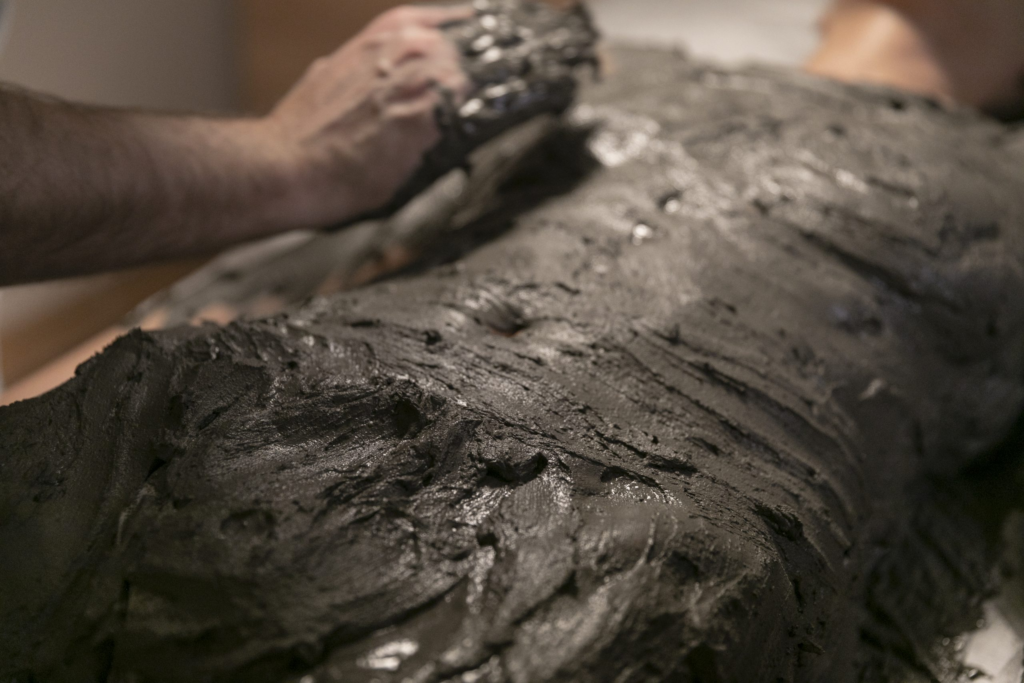
West African Pelotherapy and Traditional Clay Rituals
For centuries, West African communities have harnessed the earth for physical healing and spiritual renewal. Today, modern science validates these ancient practices under the names pelotherapy (the therapeutic use of mineral muds) and geotherapy. Explore the rich regional traditions, cultural artifacts, and clinical realities of West African clay.
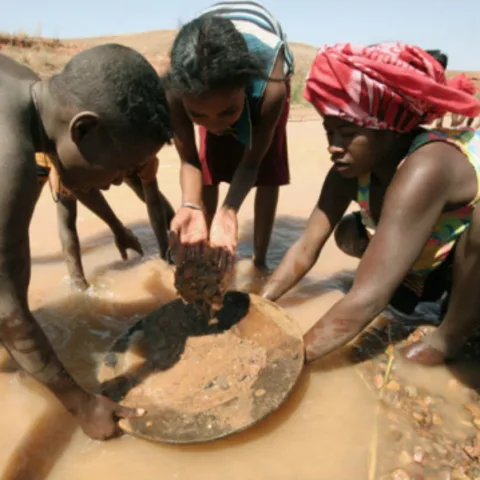
Regional Traditions and Eco-Wellness
Benin: The Sacred Baths of Lake Ahémé In villages like Gogotinkpon, full-body clay baths are a vital therapeutic and spiritual ritual.
- The Ritual: Mineral-rich clay is harvested deep from the lakebed and stored in cool earthenware pots.
- The Process: Bathers apply the cold mud, let it dry in the open sun for 15 to 30 minutes, and wash it away in the lake.
- Benefits: Delivers deep skin detoxification, smoothing, and spiritual renewal.
Côte d’Ivoire: Forest Mud Immersions Eco-wellness domains like Domaine Bini leverage the power of the Ivorian rainforest.
- The Experience: Visitors submerge themselves in localized organic silt.
- Benefits: Naturally cools the body, relieves deep muscle tension, and acts as a full-body exfoliant.
Senegal: Hypersaline Silt and Coastal Spas Senegal bridges raw nature with high-end luxury wellness.
- Lake Retba (Pink Lake): Famous for its hypersaline, nutrient-dense black mud and sulfurous silt, used for immediate skin softening and muscle relaxation.
- Petite Côte Spas: Luxury oceanfront resorts integrate these marine muds into advanced hydrotherapy cures and detoxifying body wraps.
The Gambia: Botanical Blends and Clay Craft Gambian wellness emphasizes holistic, plant-infused earth remedies.
- Eco-Resorts: Coastal sanctuaries offer tailored body wraps blending local mineral clays with native botanical extracts.
- The Mandinka Tradition: Artisans harvest rich regional clay to craft traditional pottery. These vessels are essential for keeping water cold and preserving delicate organic skin remedies.
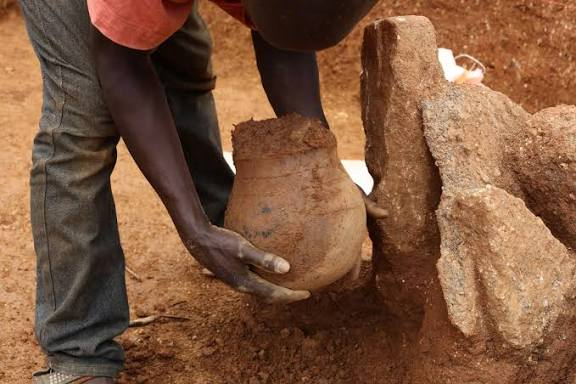
Cultural Artifacts and Sacred Materials
- Calabar Clay (Nzu): A prominent kaolin clay deeply rooted in Nigerian and Cameroonian traditions. It is widely used for cosmetic body decoration, bridal rites, and soothing localized skin irritation.
- Edo and Uli Art: In southeastern Nigeria, yellow clays (Edo) and botanical pastes are used to paint intricate, symbolic patterns on the skin for major life milestones and post-harvest celebrations.
Clinical Realities: What the Science Says
Topical earth treatments are fully backed by modern dermatology and rheumatology through three primary mechanisms:
- Thermal Retention: Natural muds retain heat exceptionally well. When applied warm, they dilate blood vessels, boost deep circulation, and deliver fresh oxygen to soothe arthritic joints and back pain.
- Negative-Charge Adsorption: Mineral clays possess a natural negative electrical charge. This acts like a magnet to attract and bind to positively charged surface impurities, excess oils, and heavy metals.
- Mineral Ion Exchange: While wet clay sits on the skin, a natural exchange occurs. The skin absorbs vital trace minerals—like silica (for barrier repair) and magnesium (to fight inflammation)—while shedding metabolic waste.
Important Medical Warning on Geophagy:
While topical clay therapy is clinically beneficial, geophagy—the traditional practice of eating raw clay like Nzu—carries severe health risks. Chemical analyses show that ingested raw clays frequently contain dangerous levels of lead, arsenic, and cadmium, which cause heavy metal poisoning, severe anemia, and intestinal blockages.