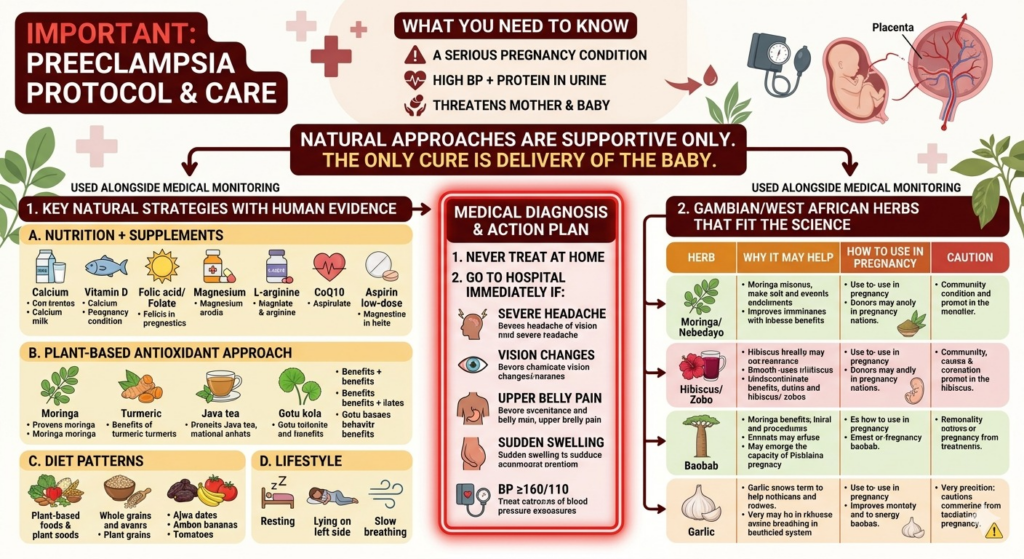
Pregnancy-related hypertension is defined as a blood pressure reading of 140/90 mmHg or higher first documented after 20 weeks of pregnancy. It includes gestational hypertension and preeclampsia, which can risk the health of both parent and baby and requires careful monitoring by a doctor.
Types of High Blood Pressure in Pregnancy
- Gestational hypertension: High blood pressure that starts after 20 weeks without organ damage or protein in the urine.
- Chronic hypertension: High blood pressure that was present before pregnancy or diagnosed before 20 weeks.
- Preeclampsia: High blood pressure after 20 weeks with signs of damage to organs like the liver or kidneys.
- Chronic hypertension with superimposed preeclampsia: Chronic high blood pressure that worsens with new signs of organ damage.
Warning Signs and Symptoms
- Severe headache that does not go away
- Sudden changes in vision like blurriness or spots
- Pain in the upper right belly area
- Sudden swelling in the face or hands
- Trouble breathing
Risks and Management
- Risks: Can cause preterm birth, low birth weight, or restricted growth for the baby, and stroke or organ injury for the mother.
- Care: Regular blood pressure checks, safe blood pressure medications, and sometimes low-dose aspirin for prevention in high-risk patients. Detailed guidance is outlined by the American Heart Association Journals.