The cardiovascular system is the body’s primary transport network, responsible for delivering oxygen, nutrients, and hormones to cells while removing metabolic waste products like carbon dioxide. It functions as a closed loop powered entirely by muscular contractions. [1, 2, 3, 4, 5]
Key Anatomical Components
The system relies on three interconnected parts working continuously: [1]
- The Heart: A four-chambered muscular pump (two atria, two ventricles) that creates the pressure needed to propel blood throughout the entire body. [1, 2, 3, 4, 5]
- Blood Vessels: An expansive network of pathways categorized into:
- Arteries: Thick, elastic vessels that carry oxygen-rich blood away from the heart under high pressure.
- Capillaries: Microscopic vessels where the actual exchange of oxygen, nutrients, and waste occurs with tissues.
- Veins: Thinner vessels equipped with one-way valves that return oxygen-depleted blood back toward the heart under low pressure. [1, 2, 3, 4, 5]
- Blood: The fluid transport medium composed of red blood cells (oxygen carriers), white blood cells (immune defense), platelets (clotting agents), and plasma (nutrient fluid). [1, 2, 3, 4, 5]
The Dual Circuits of Blood Flow
Blood moves through two distinct loops to ensure proper oxygenation and systemic delivery: [1, 2, 3]
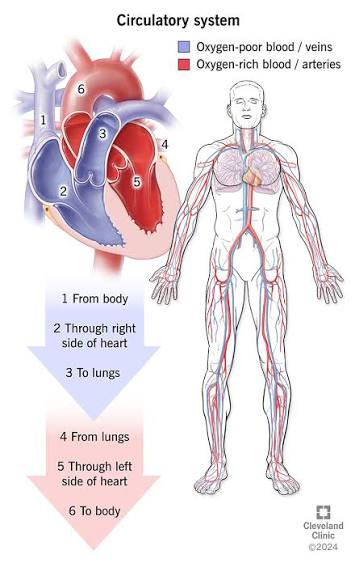
- The Pulmonary Circuit (Heart to Lungs): Deoxygenated blood returns from the body into the right side of the heart. The right ventricle pumps this blood into the lungs, where it releases carbon dioxide and absorbs fresh oxygen. [1, 2, 3, 4, 5]
- The Systemic Circuit (Heart to Body): Oxygenated blood returns from the lungs into the left side of the heart. The thick, muscular left ventricle pumps this oxygen-rich blood out through the aorta, distributing it to all systemic organs, muscles, and tissues. [1, 2, 3, 4, 5]
Core Physiological Mechanisms
To keep blood moving smoothly, the cardiovascular system relies on two vital regulatory systems: [1, 2]
- Electrical Conduction: The heart generates its own electrical impulses. The Sinoatrial (SA) node acts as the natural pacemaker, sending an electrical signal across the heart muscle to dictate the rate and rhythm of your heartbeat. [1, 2, 3, 4, 5]
- Hemodynamics (Blood Pressure): Blood pressure is the force exerted by circulating blood against the arterial walls. It is determined by cardiac output (how much blood the heart pumps) and systemic vascular resistance (how narrow or relaxed the arteries are). [1, 2, 3, 4, 5]
Systemic Pathology & Clinical Risks
Because this system is highly pressurized and continuous, systemic disorders can cause widespread damage. Linking back to our previous discussions, chronic metabolic issues directly disrupt cardiovascular health: [1, 2]
- Hypertension (High Blood Pressure): Chronically high pressure forces the heart to work harder to pump blood. Over time, this mechanical stress stiffens the arteries, causes the left ventricle to thicken (hypertrophy), and significantly accelerates the risk of strokes, heart attacks, and heart failure. [1, 2, 3, 4, 5]
- Atherosclerosis: High blood pressure and circulating lipids cause microscopic tears in the arterial lining. Cholesterol, inflammatory cells, and calcium build up in these tears, forming hard plaques that narrow the arteries and can trigger blood clots. [1, 2, 3, 4, 5]
- The Diabetes Connection: Chronic hyperglycemia (high blood sugar) damages the endothelial cells lining the blood vessels. It alters nitric oxide production, making blood vessels rigid and highly prone to early-onset atherosclerosis, coronary artery disease, and peripheral artery disease.