Hypertension, or high blood pressure, occurs when blood pushes too hard against your artery walls. A normal reading is below 120/80 mm Hg. Readings of 130/80 mm Hg or higher mean you have hypertension. It often has no symptoms, making regular checks vital.
Hypertension is typically a silent condition with no visible symptoms, meaning it can only be reliably identified through regular clinical screening.
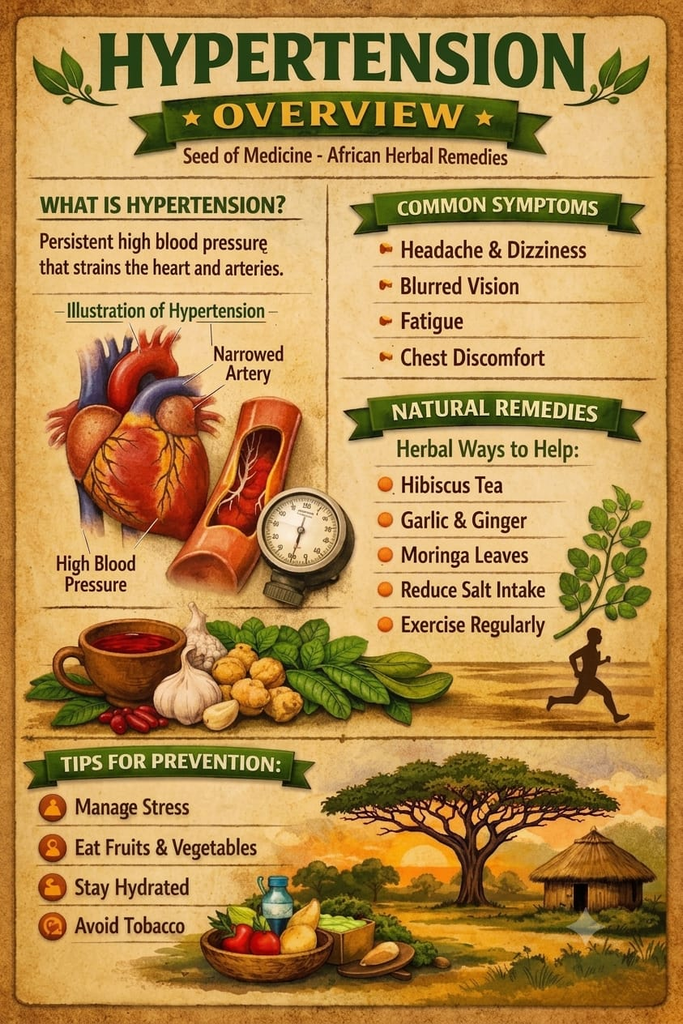
Types and Causes
- Primary (Essential) Hypertension: Develops over time with no clear cause; linked to age, genetics, and lifestyle.
- Secondary Hypertension: Caused by an underlying medical issue like kidney disease, sleep apnea, specific medications.
- Pregnancy Related Hypertension; (Pre-)Eclmpsia
Risk Factors
- Eating too much salt and unhealthy foods
- Lack of exercise and being overweight
- Smoking and drinking too much alcohol
- Older age and family history
Risks and Complications
- Vision loss and dementia
- Heart attack and heart failure
- Stroke
- Kidney damage or kidney disease
Signs and Symptoms
- Most individuals with high blood pressure do not feel sick or notice any warning signs. Symptoms generally only appear if the condition becomes severe or life-threatening.
- Severe Hypertension Signs:
- When blood pressure reaches extremely high levels (a hypertensive crisis, typically 180/120 mm Hg or higher), acute physical symptoms can manifest. If you experience these alongside a high reading, it is a medical emergency:
- Severe, persistent headaches or dizziness
- Chest pain or shortness of breath
- Blurred vision or sudden vision changes
- Nausea, vomiting, or confusion
- Nosebleeds or a buzzing sensation in the ears
Diagnosis
According to updated guidelines from the American Heart Association (AHA) and ACC, a single high reading is not enough to confirm hypertension.
- Repeated Measurements: Diagnosis requires multiple elevated readings taken on separate days using a validated, properly fitted arm cuff.
- Out-of-Office Confirmation: Doctors strongly recommend confirming the diagnosis using Home Blood Pressure Monitoring (HBPM) or Ambulatory Blood Pressure Monitoring (ABPM) to rule out “white-coat syndrome” (anxiety at the clinic).
- Diagnostic Screening Baseline:
- Elevated: 120–129 / <80 mm Hg
- Stage 1 Hypertension: 130–139 systolic OR 80–89 diastolic mm Hg
- Stage 2 Hypertension: 140/90 mm Hg or higher [1, 2]
- Lab Tests: Providers will run standard blood and urine tests (like kidney function metrics, lipids, and an ECG) to check for underlying causes or organ stress.
Treatment
Therapy is customized based on your specific blood pressure stage and your baseline 10-year risk for cardiovascular diseases.
1. Lifestyle Optimization (First Line)
Every long-term management plan begins with lifestyle adjustments:
- Dietary Changes: Reducing sodium intake and following nutrient-dense eating plans like the DASH Diet.
- Physical Activity: Incorporating at least 150 minutes of moderate aerobic exercise weekly.
- Weight Management: Dropping even a small percentage of body fat significantly lowers systemic vascular resistance.
- Limiting Substance Intake: Quitting smoking and strictly cutting down on alcohol.
2. Pharmacological Therapy
If lifestyle changes are insufficient or you have Stage 2 hypertension, doctors prescribe blood pressure-lowering medications. The core first-line choices include:
- Thiazide Diuretics: Help the kidneys flush out water and sodium, lowering overall blood volume.
- ACE Inhibitors / ARBs: Relax and widen blood vessels by blocking specific natural narrowing chemicals.
- Calcium Channel Blockers (CCBs): Prevent calcium from entering heart and blood vessel cells, easing arterial tension.
3. Advanced Interventions
For resistant hypertension (high pressure that fails to lower despite using three different classes of medications), advanced therapeutic screenings for secondary issues like primary aldosteronism or procedures like renal denervation are considered.
Herbal Medicine and Hypertension
Herbal medicine should never replace prescribed medical treatments for hypertension, but certain herbs can act as evidence-based supportive therapies. However, unregulated natural supplements can cause dangerous medication interactions or paradoxically increase your blood pressure.
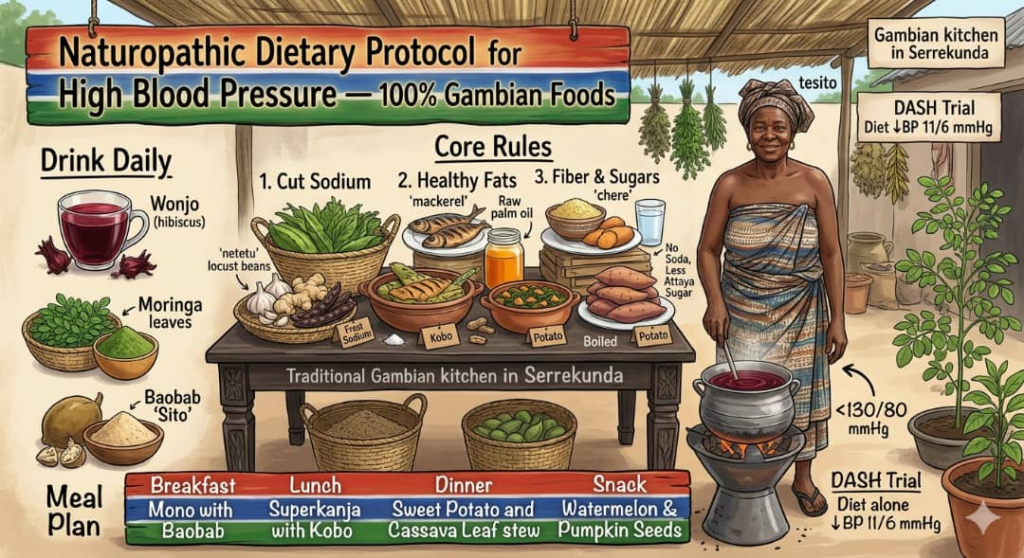
Naturopathic Holistic Approach with West African Scientific Evidence-Based Herbs
Herbs with Clinical Support for Lowering Blood Pressure
Recent meta-analyses and network reviews have highlighted a few specific herbs that demonstrate mild to moderate clinical efficacy in lowering blood pressure:
- Garlic (Allium sativum): Rich in allicin, garlic helps stimulate nitric oxide production, which dilates and relaxes blood vessels. Clinical trials show it can modestly lower systolic and diastolic measurements.
- Roselle / Hibiscus (Hibiscus sabdariffa): Packed with antioxidants and anthocyanins, hibiscus acts similarly to mild natural ACE inhibitors and diuretics, assisting the body in flushing excess fluid and easing arterial tension.
- Celery Seed (Apium graveolens): Studies indicate that celery compounds can act as natural calcium channel blockers, improving overall arterial relaxation.
- Cinnamon (Cinnamomum verum): Systematic reviews suggest consistent use over several weeks helps dilate blood vessels, leading to minor structural blood pressure reductions.
Herbs to Strictly Avoid (May Raise Blood Pressure)
The phrase “natural” does not equal safe. Several highly popular herbal supplements can spike your blood pressure or stimulate the central nervous system, worsening hypertension:
- Licorice Root (Glycyrrhiza glabra): Contains glycyrrhizin, which causes the kidneys to retain sodium and waste potassium, rapidly elevating blood pressure.
- Ephedra (Ma Huang): A powerful stimulant that constricts blood vessels and accelerates heart rate, creating high cardiovascular risks.
- Ginseng & St. John’s Wort: Ginseng can stimulate cardiovascular pathways and spike pressure. St. John’s Wort heavily alters liver enzymes, rendering common blood pressure pills ineffective.
Critical Herb-Drug Interactions
If you are already taking prescribed antihypertensive drugs, mixing them with herbs can cause unexpected reactions:
| Herb Category | Interacting Prescription Drug | Resulting Clinical Risk |
|---|---|---|
| Danshen, Ginkgo Biloba | Blood thinners (Aspirin, Warfarin) | Severe internal bleeding risk |
| High-dose Garlic or Hibiscus | CCBs, ACE inhibitors, Diuretics | Dangerously low blood pressure (Hypotension) |
| St. John’s Wort | Beta-blockers, Calcium Channel Blockers | Reduced drug absorption; sudden blood pressure spikes |
Essential Safety Guidelines
Always consult your cardiologist or primary physician before introducing any herbal supplement. Never abruptly stop taking your prescribed pharmaceutical therapy in favor of alternative remedies, as doing so can trigger a dangerous hypertensive crisis.
Key African Herbs Studied for Hypertension
1. Hibiscus / Bissap (Hibiscus sabdariffa)
- Traditional Use: Widely consumed as a tart tea or decoction across West Africa (known locally as Bissap or Zobo). [1, 2, 3, 4]
- Scientific Evidence: Comparative clinical trials published via PubMed demonstrate that standardized extracts of Hibiscus sabdariffa can lower systolic and diastolic blood pressure with efficacy comparable to mild doses of pharmaceutical ACE inhibitors like captopril. [1, 2]
- Mechanism: It contains anthocyanins that act as natural diuretics and block angiotensin-converting enzymes (ACE), relaxing peripheral blood vessels. [1, 2, 3, 4]
2. Kinkeliba (Combretum micranthum)
- Traditional Use: A prominent medicinal shrub native to the West African Sahel (Senegal, Mali, Guinea), where its leaves are steeped into a daily therapeutic tea. [1, 2, 3, 4]
- Scientific Evidence: A randomized controlled trial detailed on Nature / Journal of Human Hypertension evaluated kinkeliba leaf powder capsules in adults with non-complicated hypertension. Over multiple weeks, patients experienced a significant, measurable reduction in systemic blood pressure. [1, 2]
- Mechanism: Rich in flavonoid antioxidants and catechins, it promotes nitric oxide production to dilate blood vessels and possesses mild diuretic properties. [1]
3. Wild Garlic (Tulbaghia violacea)
- Traditional Use: Native to Southern Africa, this plant is heavily utilized in traditional Zulu and Xhosa medicine to treat high fevers, headaches, and circulatory strain. [, 2]
- Scientific Evidence: Laboratory screenings from the American Physiological Society identified Tulbaghia violacea as one of the most potent indigenous South African plants for cardiovascular therapy, showing over 50% inhibition in specific hypertensive pathways. [, 2]
- Mechanism: Similar to commercial garlic, it exhibits significant vasorelaxant and hypotensive activities, easing tension within arterial walls. [, 2]
4. African Iris / Indawo-Yehlathi (Dietes iridioides)
- Traditional Use: The rhizomes and roots of this plant are used in South African traditional remedies to manage acute pain and systemic hypertension.
- Scientific Evidence: Pharmacological reviews highlight that extracts from this plant exhibit both short- and long-term blood pressure-lowering properties in vivo.
- Mechanism: It functions as a natural ACE inhibitor, preventing the body from creating chemicals that narrow the blood vessels. [1, 2]
Safety Risks and Medical Concerns
While these plants hold scientific promise, a major cross-country study in the BMJ Global Health Journal highlights that unregulated traditional medicine use for hypertension in Sub-Saharan Africa is statistically linked to higher overall blood pressure, worse markers of severe hypertension, and increased risks of renal (kidney) complications. This occurs because of Inconsistent Dosing: Raw herbal preparations lack standardized concentrations of active compounds. or Dual-Use Interference: Nearly half of traditional remedy users combine them with allopathic prescriptions without informing their doctors, risking dangerous drug interactions.