The GI tract forms a continuous passageway that includes the main organs of digestion: The stomach, small intestine and large intestine. The complete human digestive system is made up of the gastrointestinal tract plus the accessory organs of digestion (the tongue, salivary glands, pancreas, liver and gallbladder)
The whole human GI tract is about nine meters (30 feet) long. It is considerably shorter in the living body because the intestines, which are tubes of smooth muscle tissue, maintain constant muscle tone in a halfway-tense state but can relax in spots to allow for local distention and peristalsis. The surface area of the digestive tract is estimated to be about 32 square meters, or about half a badminton court.
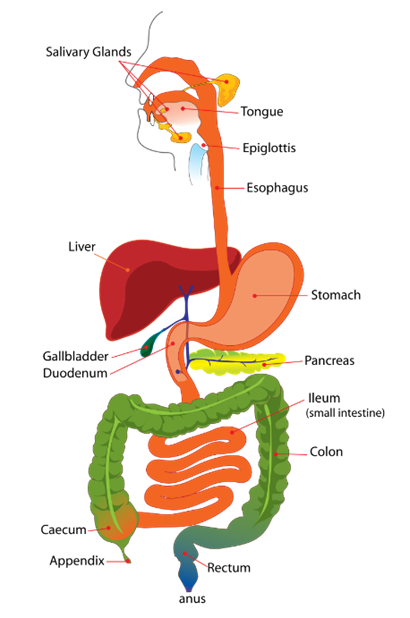
Food taken in through the mouth is digested to extract nutrients and absorb energy, and the waste expelled at the anus as faeces.
Digestion starts even before you take a first bite of food. When you see and smell food, your salivary glands start releasing saliva that helps moisten the food when you start chewing. The chewed-up food moves from the mouth to the esophagus, that uses peristalsis to transport the food to the stomach. The stomach releases acid and enzymes that break food down.
The small intestine turns semi-solid food into fluid to absorb nutrients. The pancreas and liver send digestive juices to the small intestine. The gall bladder contributes bile. The small intestine sends leftover food waste to the large intestine
Some common conditions and disorders that affect the digestive system
Many different conditions and disorders can disrupt your digestive system. Some are acute, others may be long-term or chronic illnesses. And some, like colon or esophageal cancer, are serious diseases that can be life-threatening.
- Acid Reflux: Stomach acid that flows into your esophagus causes indigestion and heartburn.
- Stomach Ulcers: Open sores in the lining of the stomach
- Gastroenteritis (Stomach Flu): a viral infection of the stomach and intestine
- Celiac Disease: This is an autoimmune disorder that’s triggered when you eat gluten, a type of protein.
- Diverticulosis and Diverticulitis: These conditions happen when little pouches (diverticula) develop in your colon.
- Hemorrhoids: Swollen veins inside of your rectum or outside of your anus can itch and hurt.
- Crohn’s Disease and Colitis Ulcerosa: inflammatory bowel diseases.
- Irritable Bowel Disease (IBS)
- Hemorrhoids (Piles)
What are common symptoms of digestive system disorders?
- Abdominal pain
- Constipation
- Diarrhea
- Nausea and Vomiting
If you’re like most people, you’ve had your share of occasional upset stomachs or loose poops that clear up within a few days. But any symptom that lasts for more than a few days, gets worse, or goes away and comes back is a reason to call a healthcare provider.
What are common treatments for these conditions and disorders?
Your digestive system is complicated because it contains many different organs. That’s why there’s no one treatment for conditions or disorders that can affect it. In general, healthcare providers recommend treatments like:
- Lifestyle Changes: Changing what you eat, how you eat or even drinking more water may ease symptoms. For example, avoiding gluten is a treatment for celiac disease.
- Medication: Examples are corticosteroids to calm inflammation from Crohn’s disease or proton pump inhibitors for excess stomach acid.
- Surgery.
How can I keep my digestive system healthy?
- Drink enough water: Water helps the food you eat flow more easily through your digestive system.
- Eat fibers: Fibers help digestion. Adding fiber to balanced meals of lean protein, fruits and vegetables can keep your digestive system working as it should.
- Add Probiotics: good bacteria that fight off the bad bacteria in your digestive system.
- Eat Mindfully: Focus on how and why you’re eating. Practicing mindful eating helps you to slow down and chew your food thoroughly.
- Avoid Alcohol and Smoking: Alcohol can increase the amount of acid in your stomach and can cause heartburn, acid reflux and stomach ulcers. Smoking almost doubles your risk of having acid reflux.
- Manage Stress: Stress is associated with digestive issues such as constipation, diarrhea and IBS
Herbal medicine can play a significant role in supporting gastrointestinal (GI) health. Here are some commonly used herbs that are known to help with various GI tract issues:
- Oregano: Contains antioxidants like carvacrol, which help lower inflammation and has antimicrobial properties.
- Peppermint: Known for its soothing effects on the digestive tract, it can relieve symptoms like cramping, bloating, and gas associated with irritable bowel syndrome (IBS).
- Thyme: Has antimicrobial properties that can help control bacterial overgrowth in the gut.
- Ginger: Helps with nausea and has anti-inflammatory properties that can soothe the digestive tract.
- Turmeric: Contains curcumin, which has strong anti-inflammatory effects and can help with conditions like inflammatory bowel disease (IBD).
Reflux
Reflux, also known as gastroesophageal reflux disease (GERD). Stomach acid that flows into your esophagus causes indigestion and heartburn Here are some herbal remedies that might help alleviate symptoms:
- Ginger: Known for its anti-inflammatory properties, ginger can help reduce acid reflux symptoms.
- Chamomile: Chamomile tea can help reduce inflammation and soothe the digestive tract.
- Licorice Root: Deglycyrrhizinated licorice (DGL) can help increase the mucous coating of the esophagus, protecting it from stomach acid.
- Marshmallow Root: This herb can coat the digestive tract and help reduce irritation from stomach acid.
- Slippery Elm: Forms a soothing coating in the digestive tract, potentially reducing irritation from stomach acid.
- Aloe Vera: Aloe vera juice can help soothe the digestive tract and reduce inflammation.
- Papaya: Contains enzymes that can help improve digestion and reduce acid reflux symptoms.
Heartburn
A sensation of painful burning in the upper chest.
Heartburn is not always related to an underlying condition. It may be caused by:
- Overeating/very large meals
- Spicy foods such as pepper, raw onions, garlic
- Eating just before bedtime
- Fatty, greasy foods
- Acidic foods such as tomatoes, lemon, orange juice
- Caffeinated drinks including coffee, tea and soda
- Alcohol consumption
Several herbal remedies that might help alleviate the symptoms:
- Chamomile: A cup of chamomile tea can have a soothing effect on the digestive tract.
- Ginger: Known for its digestive properties, ginger can help reduce heartburn symptoms.
- Licorice: Deglycyrrhizinated licorice (DGL) can increase the mucous coating of the esophagus, helping it resist stomach acid.
- Marshmallow Root: This herb can coat the digestive tract and help reduce irritation from acid reflux.
- Fennel: Often used to aid digestion, fennel seeds can help reduce heartburn.
Peptic ulcers
Stomach Ulcers: These are open sores in your stomach lining. Several herbal remedies that might help in managing the symptoms and promoting healing:
- Deglycyrrhizinated Licorice (DGL): This form of licorice helps increase the mucous coating of the stomach lining, protecting it from stomach acid.
- Turmeric: Contains curcumin, which has strong anti-inflammatory properties and can help heal ulcers.
- Chamomile: Known for its soothing properties, chamomile can help reduce inflammation and irritation in the stomach lining.
- Marshmallow Root: This herb can coat the digestive tract and help reduce irritation from stomach acid.
- Aloe Vera: Often used for its soothing properties, aloe vera can help heal the stomach lining.
- Cabbage Juice: Rich in vitamin C and other compounds, cabbage juice has been shown to help heal stomach ulcers.
IBS
Irritable Bowel Syndrome (IBS) is a common condition that affects the stomach and intestines. Symptoms include cramping, belly pain, bloating, gas, and diarrhea or constipation, or both. IBS is an ongoing condition that needs long-term management. There are several herbal remedies and lifestyle changes that might help alleviate symptoms:
- Peppermint Oil: Known for its antispasmodic properties, peppermint oil can help reduce abdominal pain and bloating associated with IBS.
- Ginger: Ginger tea can help calm digestive discomfort and reduce symptoms like nausea and bloating.
- Probiotics: Consuming probiotics, such as those found in yogurt, kimchi, sauerkraut, and kombucha, can help balance gut bacteria and improve overall gut health.
- Fiber: Increasing soluble fiber intake (found in foods like oats, beans, and fruits) can help manage constipation, a common symptom of IBS.
- Magnesium: Magnesium supplements or magnesium-rich foods (like nuts, seeds, and spinach) can help relieve constipation by drawing water into the intestines.
- Melatonin: Some studies suggest that melatonin can help regulate intestinal motility and improve gastrointestinal symptoms in people with IBS.
- In addition to these remedies, lifestyle changes like regular exercise, stress reduction techniques (such as mindfulness and meditation), and dietary adjustments (like avoiding trigger foods) can also be beneficial.
Stomach Flu
Gastroenteritis, often referred to as the stomach flu, a viral infection in your stomach and intestines. It causes symptoms like vomiting and diarrhea. It is usually brief, but can be very contagious. Here are some herbal remedies and home care tips that might help manage the symptoms and promote recovery:
- Increase Fluid Intake: Staying hydrated is crucial. Drink plenty of water, clear broths, soups, and electrolyte-infused drinks like Gatorade or Pedialyte to prevent dehydration2.
- Rice Water: This bland liquid can help reduce inflammation and alleviate stomach pain. Boil ½ cup of white rice in 6 cups of water, strain, and sip the warm rice water slowly2.
- Probiotics: Consuming probiotics, such as those found in yogurt, can help restore gut flora and improve digestion.
- Peppermint Tea: Known for its antispasmodic properties, peppermint tea can help soothe the digestive tract.
- Chamomile: This herb has soothing properties that can help reduce inflammation and irritation in the stomach lining.
- Ginger: Ginger tea can help calm digestive discomfort and reduce symptoms like nausea and bloating.
- Basil: Basil has antimicrobial properties that can help fight infection and soothe the digestive tract.
It’s important to note that while these herbs can be beneficial, they should be used with caution and ideally under the guidance of a healthcare provider, especially if you have underlying health conditions or are taking other medications.
Diarrhea
Diarrhoea, episodes loose, watery stools is often caused by a stomach bug (gastroenteritis) and clear up on their own in a few days. Avoiding dehydration is very important, especially in children and the elderly. They should use oral rehydration solutions to replace fluids when they have diarrhea.
Herbal remedies and home care tips that might help manage the symptoms and promote recovery:
- Chamomile: Chamomile tea can help reduce inflammation and soothe the digestive tract.
- Ginger: Ginger tea can help calm digestive discomfort and reduce symptoms like nausea and bloating.
- Probiotics: Consuming probiotics, such as those found in yogurt, can help restore gut flora and improve digestion.
- Bananas: Bananas are rich in pectin and potassium, which can help firm up stools and replenish lost electrolytes.
- Peppermint: Peppermint tea can help soothe the digestive tract and reduce cramping.
- Apple Cider Vinegar: Diluted apple cider vinegar can help restore the acid balance in the stomach and intestines.
- Carrot Soup: Carrot soup is easy to digest and can help provide essential nutrients while being gentle on the stomach.
It’s important to stay hydrated by drinking plenty of fluids like water, clear broths, and oral rehydration solutions to prevent dehydration.
Constipation
Constipation can be quite uncomfortable, but there are several herbal remedies and home care tips that might help manage the symptoms:
- Aloe Vera: Aloe vera juice can help stimulate bowel movements and improve digestion.
- Psyllium Husk: A natural fiber supplement that can help bulk up stools and promote regularity.
- Senna: A natural laxative that can help stimulate bowel movements.
- Flaxseed: Rich in fiber, flaxseed can help promote regular bowel movements.
- Peppermint: Peppermint tea can help soothe the digestive tract and promote bowel movements.
- Dandelion: Dandelion tea has mild laxative properties and can help improve digestion.
- Ginger: Ginger tea can help stimulate digestion and relieve constipation.
In addition to these remedies, increasing your intake of water, fruits, vegetables, and whole grains can also help promote regularity. Regular physical activity can also support healthy digestion.